
 https://spera.asn.au/wp-content/uploads/2023/05/spera.jpg
0
0
Darryl Butler
https://spera.asn.au/wp-content/uploads/2023/05/spera.jpg
Darryl Butler2016-02-01 13:38:382016-02-01 13:38:38Remote Education Systems
https://spera.asn.au/wp-content/uploads/2023/05/spera.jpg
0
0
Darryl Butler
https://spera.asn.au/wp-content/uploads/2023/05/spera.jpg
Darryl Butler2016-02-01 13:38:382016-02-01 13:38:38Remote Education Systems https://spera.asn.au/wp-content/uploads/2015/11/SPERA-Conference-2009.jpg
330
600
Darryl Butler
https://spera.asn.au/wp-content/uploads/2023/05/spera.jpg
Darryl Butler2016-01-22 13:17:042016-01-22 13:17:04Closing the ‘digital divide’ for disadvantaged students
https://spera.asn.au/wp-content/uploads/2015/11/SPERA-Conference-2009.jpg
330
600
Darryl Butler
https://spera.asn.au/wp-content/uploads/2023/05/spera.jpg
Darryl Butler2016-01-22 13:17:042016-01-22 13:17:04Closing the ‘digital divide’ for disadvantaged students https://spera.asn.au/wp-content/uploads/2016/02/shutterstock_312981224.jpg
330
600
Darryl Butler
https://spera.asn.au/wp-content/uploads/2023/05/spera.jpg
Darryl Butler2016-01-02 14:27:312016-01-02 14:27:312016 Grant Opportunities
https://spera.asn.au/wp-content/uploads/2016/02/shutterstock_312981224.jpg
330
600
Darryl Butler
https://spera.asn.au/wp-content/uploads/2023/05/spera.jpg
Darryl Butler2016-01-02 14:27:312016-01-02 14:27:312016 Grant Opportunities https://spera.asn.au/wp-content/uploads/2015/09/ONeill-Brian-146843-cropped.jpg
330
600
Darryl Butler
https://spera.asn.au/wp-content/uploads/2023/05/spera.jpg
Darryl Butler2015-12-05 11:18:102015-12-05 11:18:10Inspiring Educators: An Interview with Mr Brian O’Neill
https://spera.asn.au/wp-content/uploads/2015/11/Uni-Students-sitting-on-lawn-and-talking.jpg
330
600
Darryl Butler
https://spera.asn.au/wp-content/uploads/2023/05/spera.jpg
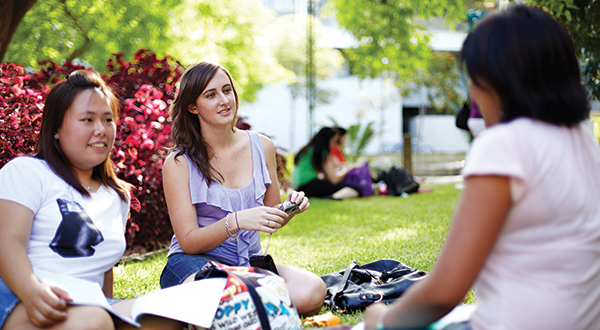
Darryl Butler2015-11-20 10:25:002015-11-20 10:25:00RUN welcomes changes to Youth Allowance to help regional students
https://spera.asn.au/wp-content/uploads/2015/09/ONeill-Brian-146843-cropped.jpg
330
600
Darryl Butler
https://spera.asn.au/wp-content/uploads/2023/05/spera.jpg
Darryl Butler2015-12-05 11:18:102015-12-05 11:18:10Inspiring Educators: An Interview with Mr Brian O’Neill
https://spera.asn.au/wp-content/uploads/2015/11/Uni-Students-sitting-on-lawn-and-talking.jpg
330
600
Darryl Butler
https://spera.asn.au/wp-content/uploads/2023/05/spera.jpg
Darryl Butler2015-11-20 10:25:002015-11-20 10:25:00RUN welcomes changes to Youth Allowance to help regional students