Student Placement Delivers Real-World Learning and Community Impact
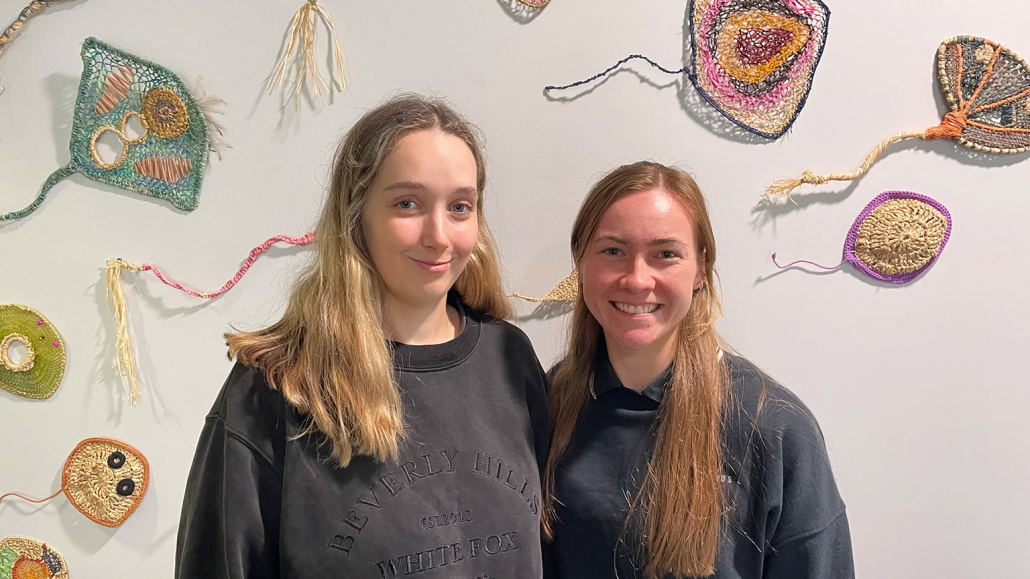
Fourth-year Nutrition and Dietetics students Charlie and Mia from Griffith University recently completed an eight-week Food Systems Placement in Taree, demonstrating the value of rural student placements in creating meaningful outcomes for both students and local communities.
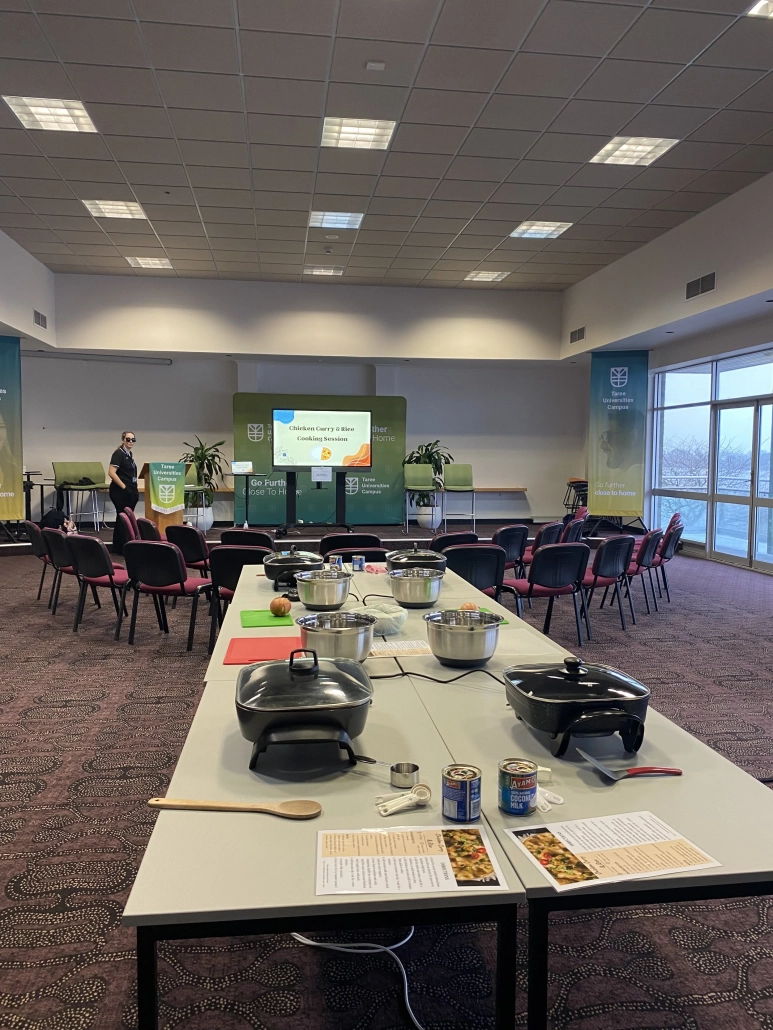
Supported by the University of Newcastle Department of Rural Health, Port Macquarie, the students partnered with the Biripi Women’s Group through Biripi Aboriginal Corporation Medical Centre (ACMC) to co-design, deliver and evaluate a three-week pilot cooking and nutrition education program.
Named Galbaan Cook & Yarn in consultation with participants, the program reflects the importance of local culture and community ownership. Galbaan is a Gathang word meaning “women”, acknowledging the traditional language of the Biripi people and the central role women played in shaping the program.
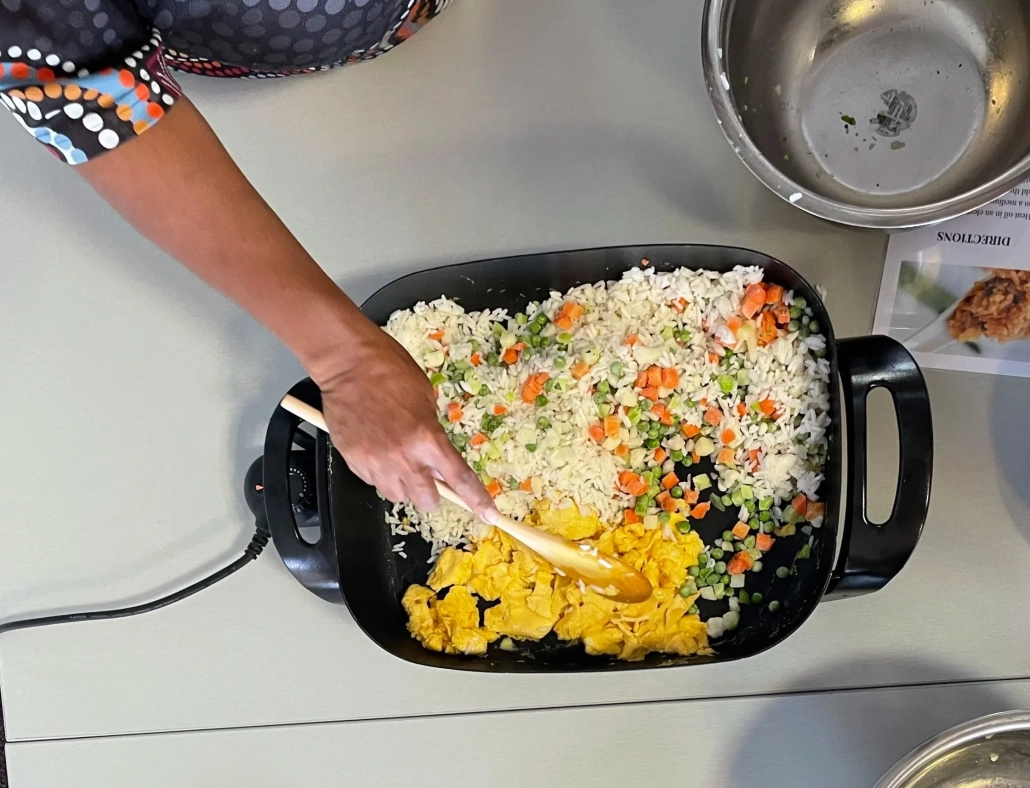
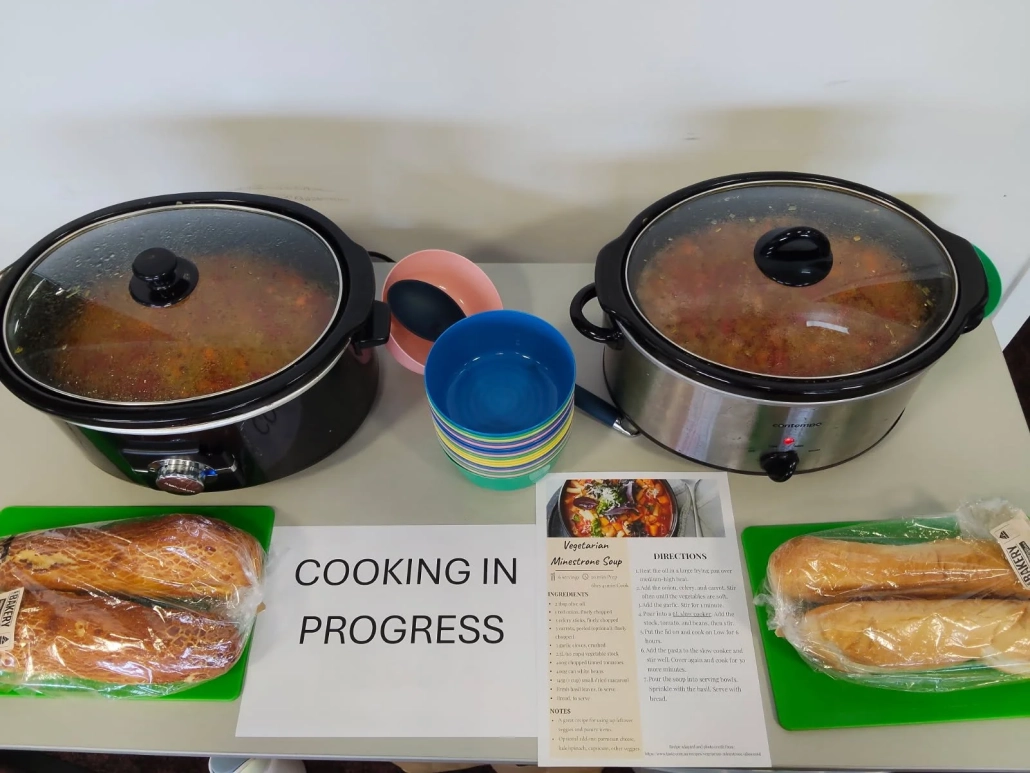
Yarning was a key feature throughout the program, ensuring that activities were culturally appropriate, community-led and responsive to local needs. Across three interactive sessions, participants built confidence, nutrition knowledge and practical cooking skills to support healthy meal planning and food preparation. Together, the women identified recipes and discussion topics that informed the co-creation of a cookbook, which was provided to participants at the conclusion of the program.
Feedback from participants was overwhelmingly positive, with both verbal and written evaluations highlighting strong satisfaction with the sessions. Program data also demonstrated increased confidence in preparing meals using leftovers, improved nutrition awareness and greater reflection on dietary behaviours.
For Charlie and Mia, the placement provided invaluable insights into community engagement and health promotion. Key lessons included the importance of early and ongoing co-design, flexibility in program delivery, and the effectiveness of culturally appropriate approaches such as yarning in supporting meaningful health outcomes.
This placement is an excellent example of how rural learning experiences can provide students with practical, real-world skills while contributing positively to the health and wellbeing of regional communities.